Gwadar's Omani Heritage: A Complete Guide
Gwadar carries a deep Omani heritage on the Makran coast. For nearly two centuries the town belonged to Oman. A grant from the Khan of Kalat began the long tie. Old forts and Arab customs recall the Omani age. A rich legacy still colours the life of the town. This guide covers the Omani heritage of Gwadar for the curious traveller. It explains the town the grant the forts the legacy the sea ties and the return.
This guide offers a general overview. Details and figures vary between sources.
Quick answer: Gwadar, on the Makran coast of Balochistan, was ruled by the Sultanate of Oman for nearly two centuries from 1783 to 1958. It came to Oman through a grant by the Khan of Kalat to a defeated ruler of Muscat, who continued to govern it from afar. Old Omani forts still rise in the town, while Arab customs linger in dress, food and tradition. Many families keep ties with Oman to this day. Pakistan acquired Gwadar in 1958, ending the long Omani era.
Gwadar: An Omani town on the coast
Gwadar was long an Omani town on the coast. For nearly two centuries Oman ruled the port. Arab custom took root along the shore. So the Omani age shaped the town.
A long rule marks the town. Oman held Gwadar for many years. A distant sultanate governed the coast. So the port looked west to Arabia.
A coastal port marks the setting. Gwadar rests on the Makran shore and warm seas link it to Arabia. So the ocean tied it to Oman.
A lasting bond marks the past. Two centuries of Omani rule left a mark. Arab ways spread through the town. So the heritage runs deep today.
A gift from the Khan of Kalat
A gift from the Khan of Kalat began the tie. Gwadar passed to a ruler of Oman in 1783. A defeated sultan found refuge at Kalat. So the grant opened the Omani age.
An old grant marks the year 1783. A local ruler the Khan of Kalat, held the coast then. He granted Gwadar to a Muscat ruler. So the port passed to Omani hands.
A defeated ruler marks the tale. Taimur Sultan had lost his throne. He fled to Kalat for refuge. So the khan granted him the port.
A distant rule marks the grant. This sultan later regained Muscat. He ruled Gwadar through a governor. So Oman held the port from afar.
Forts of the Omani age in Gwadar
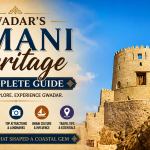
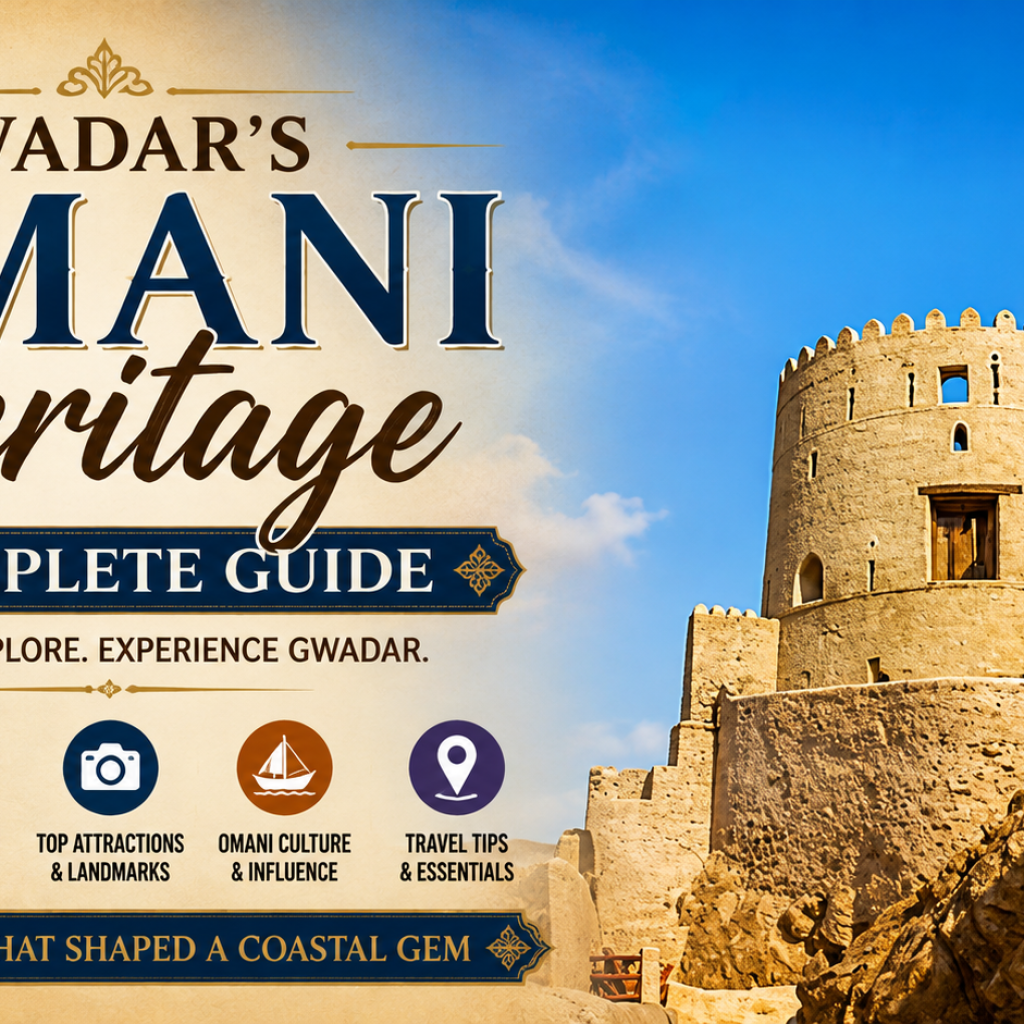
Forts of the Omani age still mark Gwadar. Old walls recall the days of Oman. Their stones tell of a distant rule. So the forts guard the Omani past.
An old fort marks the town. Omani rulers raised forts in the port. Their walls still rise in Gwadar. So the forts recall the Arab age.
A stout wall marks the heritage. Thick walls guarded the old town. Builders raised them under Oman. So the forts show the Omani hand.
A storied stone marks the past. Old forts stand near the bazaar. Their walls have watched the ages pass. So the stones hold a long story.
An Arab legacy that lingers in Gwadar
An Arab legacy still lingers in Gwadar. Old customs recall the days of Oman. Dress, food and rites keep the tie. So the heritage colours daily life.
A robe marks the old custom. Some still wear the Arab kandura. Special days bring out the dress. So Arab custom survives in the town.
A cannon marks an old rite. Guns once fired to announce the Eid. Their boom rang across the port. So the custom recalls the Omani age.
A shared bond marks the families. Many keep close ties with Oman. Some hold a dual heritage today. So the link endures across the sea.
Ties of Gwadar across the sea
Gwadar has long held ties across the sea. Trade linked it to distant shores. Ships bound it to Oman and beyond. So the sea shaped the port and its people.
A sea trade marks the town. Boats crossed to Oman and Arabia. Distant ports lay within reach. So commerce tied Gwadar to the world.
A wide reach marks the trade. Ships sailed to India and East Africa. Goods and people crossed the waves. So the port drew a mixed people.
A diverse town marks the coast. Many roots blend in Gwadar. Arab, Baloch and other lines meet. So the sea gave the town its mix.
Return of Gwadar to Pakistan
A new age dawned when Gwadar returned to Pakistan. A long Omani rule came to an end. This port joined Balochistan for good. So a fresh chapter opened for the town.
A change of hands marks 1958. Pakistan acquired Gwadar that year. An Omani era drew to a close. So the port passed to a new rule.
A new chapter marks the town. Gwadar joined the wider country. Its old ties with Oman remained. So the past and present met here.
A living heritage marks the town today. Omani forts and customs endure. Visitors sense the Arab past. So the legacy enriches modern Gwadar.
Frequently asked questions
Why does Gwadar have an Omani heritage? Gwadar has a strong Omani heritage because it was ruled by the Sultanate of Oman for nearly two centuries from 1783 until 1958. During this long period the town was governed as an Omani possession, while close ties grew between Gwadar and Oman through trade, travel and settlement across the Arabian Sea. Arab customs took root in the town, shaping its dress, food and traditions in ways that still linger today. This deep and lasting connection gives Gwadar a character quite distinct from much of the rest of Balochistan.
How did Gwadar come under Omani rule? Gwadar came under Omani rule in 1783, when the Khan of Kalat granted it to Taimur Sultan a defeated ruler of Muscat who had taken refuge at Kalat. When the sultan later regained his throne in Muscat, he kept possession of Gwadar, ruling it from afar through an appointed governor known as a wali. In this way the distant port on the Makran coast became a possession of Oman a bond that would last for generations. This grant began a long era of Omani rule over the town.
What Omani heritage can you see in Gwadar? A visible mark of Omani heritage in Gwadar is its old forts, built during the centuries of Omani rule, whose walls still rise in the town near the old bazaar. Beyond the forts the Arab legacy lingers in local customs, such as the wearing of the Arab robe known as the kandura on special occasions. Traditions of food and daily life carry it too. In the past, cannons were even fired to announce the festival of Eid a custom recalling the Omani age. Together these give Gwadar a distinctive Arab flavour.
When did Gwadar become part of Pakistan? Gwadar became part of Pakistan in 1958, when the territory was acquired from Oman, bringing to an end nearly two centuries of Omani rule. A modest fishing port of a few thousand people the town was integrated into Balochistan, later becoming the headquarters of its own district. Although the Omani era closed the ties between Gwadar and Oman did not vanish, so many families keep connections across the sea to this day. That year of 1958 marked the beginning of a new chapter in the long story of the town.
Do the people of Gwadar still have ties with Oman? Yes, many people in Gwadar keep close ties with Oman a legacy of the centuries when the town was part of the Omani realm. Some families have relatives in Oman, while a number of locals hold a shared heritage, living and working between the two countries across the Arabian Sea. These enduring bonds are reflected in language, custom and family connections, keeping the Arab link alive long after the change of rule. It is one of the ways in which the Omani past remains a living part of Gwadar today.
Gwadar: A town shaped by Arabia
Gwadar is a town shaped by Arabia on the Makran coast. For nearly two centuries the port belonged to Oman. A grant from the Khan of Kalat began the long tie. Old forts and Arab customs recall the Omani age. A rich legacy still colours the life of the town. Few towns carry such a distinctive heritage.
You may explore the Omani heritage of Gwadar for the forts the customs or the story. This coastal town rewards the curious mind. You can trace the old walls of the Omani forts. You can sense the Arab flavour in dress and custom. You can follow the long tie between Gwadar and Oman. Come to Gwadar and discover its rich Omani heritage. This is where Arabia meets the Makran coast.