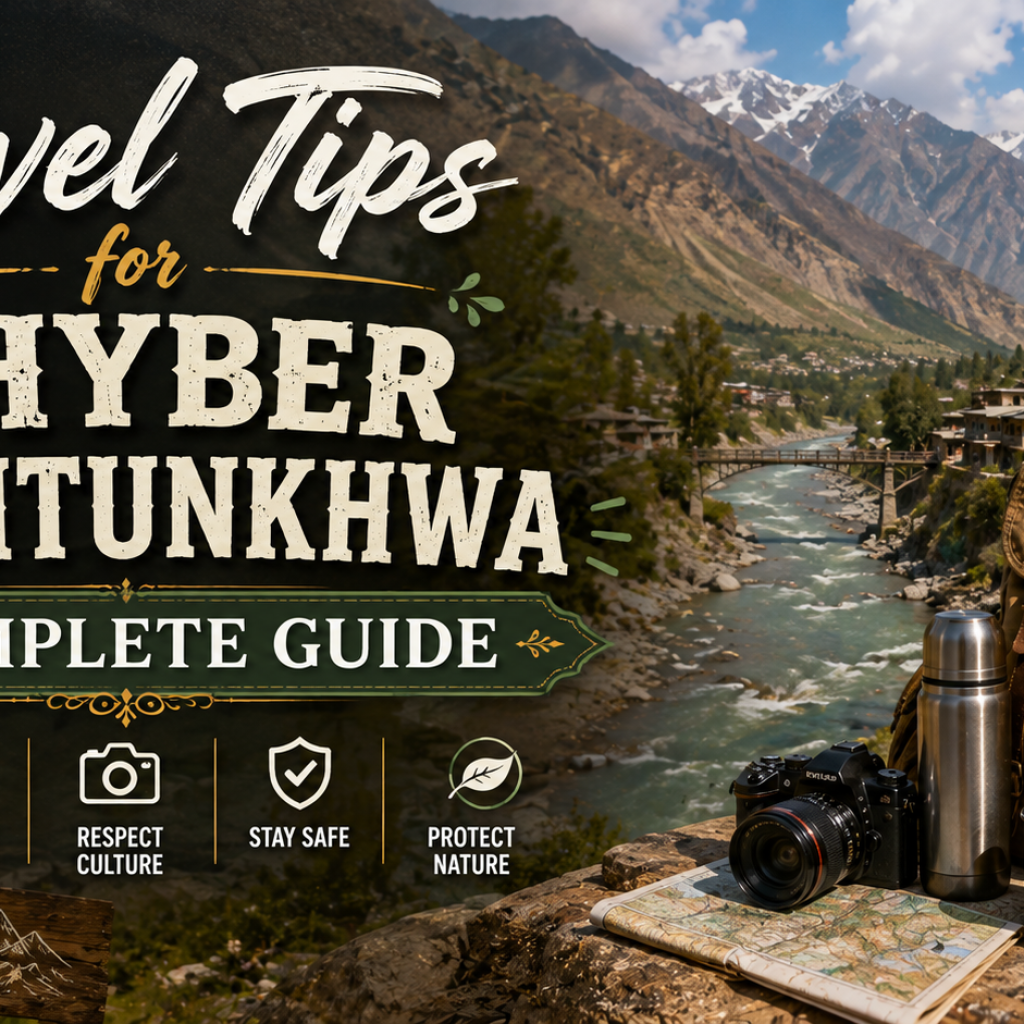
Travel Tips for Khyber Pakhtunkhwa: A Complete Guide
Travel tips smooth any journey through Khyber Pakhtunkhwa. Modest dress and a warm smile open every door. Cash, warm layers and a scarf serve the traveller well. Famous hospitality greets visitors across the whole province. A little courtesy turns a good trip into a great one. This guide covers travel tips for the curious traveller. It explains the dress the welcome the money the packing the weather and the customs.
This guide offers a general overview. Details and figures vary between sources.
Quick answer: Traveling to Khyber Pakhtunkhwa becomes easy if one prepares himself properly before heading there. Comfortable clothes make for a good start. A scarf proves useful when going to mosques and also during chilly weather conditions. Money becomes an absolute must outside the big cities, as it is the only form of payment that will do. Lastly, one should experience the celebrated local hospitality.
What to wear
Dress marks an important part of the trip. Modest, comfortable clothing suits the province. Loose garments cover the arms and legs. So the right dress eases the whole journey.
Modest clothing suits the culture. Loose shirts and trousers work well. A local shalwar kameez feels comfortable too. So simple dress honours the custom.
A scarf serves the traveller well. It covers the head at a mosque then shields against sun and cold. So a scarf earns its place in the bag.
A few notes guide the dress. Men do best to avoid shorts. Comfortable shoes suit the rough ground. So sensible dress rewards the visitor.
Warm welcome in Khyber Pakhtunkhwa
Hospitality is the heart of the province. Hosts greet guests with great warmth. Tea and food flow freely for visitors. So the welcome marks every journey.
A famous warmth greets the guest. Locals invite visitors for tea. Strangers share their food and help. So kindness marks the whole province.
A cup of tea seals the bond. Hosts offer green tea to guests. Accepting the cup shows good grace. So the tea marks a warm welcome.
A genuine kindness rewards the traveller. Help with directions comes freely. Warm smiles greet the visitor. So the welcome lifts the whole trip.
Money and cash
Cash rules across much of the province. Cities hold banks and machines. Remote valleys take only notes. So the wise traveller carries enough.
Cash serves best in the north. Towns hold banks and machines. Mountain valleys rely on notes. So visitors carry plenty of currency.
Small notes ease the day. Markets and stalls prefer them. Change can run short at times. So a stock of small notes helps.
A little care guards the money. Banks cluster in the larger towns, while a good sim card keeps you online in the cities. Machines grow scarce in the hills. So travellers draw cash before the mountains.
Packing for the north
Packing well eases the northern trip. Warm layers suit the mountain air. Sturdy shoes help on the trails. A few extras smooth the journey.
Warm layers suit the mountains. Even summer nights turn cold up high. A jacket serves the evening chill. So layers reward the mountain visitor.
Sturdy shoes aid the traveller. Rough trails and streets demand support. Good soles grip the mountain paths. So firm shoes ease the walking.
A few extras smooth the trip. A power bank keeps the phone alive, while a first aid kit holds your medicines. Sun cream and a hat shield the skin. So small items serve the traveller.
Weather and the mountains of Khyber Pakhtunkhwa
Weather shifts fast in the high country. Clear skies may turn to rain. Evenings grow cold at altitude. So a flexible plan serves the traveller.
A changeable sky marks the mountains. Clear mornings may bring afternoon rain. Winds and cloud roll in quickly. So travellers watch the mountain weather.
A cold evening follows the warm day. Heat fades fast as the sun drops, so layers of clothes guard against the night chill. So warm clothes suit the heights of hills of KPK.
A flexible plan eases the trip. Roads and passes shift with the weather. Spare hours cover the delays. So a loose plan rewards the traveller.
Customs and courtesy inKhyber Pakhtunkhwa
Courtesy opens doors across the province. Polite greetings warm every meeting. Small customs mark daily life. So a little care enriches the trip.
A polite greeting marks good manners. A warm hello earns a warm reply. Men often shake hands in greeting. So courtesy smooths every meeting.
Small customs guide the visitor. Guests remove their shoes indoors. A request precedes a photograph of a person. So respect marks the good traveller.
A word of the language helps. Urdu serves across the province, while Pashto and Hindko sound in the homes. English is widely understood in the cities. So a few local words earn warm smiles.
Frequently asked questions
What should I wear in Khyber Pakhtunkhwa? In Khyber Pakhtunkhwa, modest and comfortable clothing is the best choice, in keeping with local custom. Loose fitting shirts and trousers that cover the arms and legs work well for both men and women. A local shalwar kameez is comfortable, practical and warmly received. Women find it useful to carry a scarf, handy to cover the head at a mosque or in more traditional areas as well as shielding against sun and cold. Men are best avoiding shorts, while sturdy, comfortable shoes are wise for the rough ground and mountain trails.
Do I need cash in the north? Cash is essential for travel in Khyber Pakhtunkhwa, especially once you leave the main cities. In Peshawar and larger towns, banks and cash machines are available with some hotels taking cards too. In the mountain valleys and smaller towns, cash is usually the only option. It is wise to draw enough local currency before the mountains. Keep a stock of small notes too, since change can run short at markets and stalls. Carrying enough cash saves a great deal of trouble on the road.
How is the hospitality in Khyber Pakhtunkhwa? One of the greatest pleasures of travelling in Khyber Pakhtunkhwa is the hospitality extended by the residents who entertain their guests with unparalleled generosity and friendliness. People often invite you for tea. Many people will offer you some of their food or even direct you. This kind of hospitality is sincere and genuine. To drink tea offered to you is considered polite behavior. It's a very nice experience to meet and interact with local people through this kind of hospitality.
What should I pack for the mountains? Packing for the mountains of Khyber Pakhtunkhwa calls for warm layers, even in summer as evenings and nights can turn cold at altitude. A good jacket along with sturdy, comfortable walking shoes, is important for both comfort and the rough mountain trails. It is also wise to bring sun protection, such as a hat and sun cream along with a power bank and a small first aid kit holding any medicines you need. A reusable water bottle and a scarf are useful too, making for a light but well prepared bag.
How changeable is the mountain weather? A mountain sky in Khyber Pakhtunkhwa can change quickly, so it pays to be prepared and flexible. A clear, warm morning can give way to afternoon rain, wind or cloud. Temperatures often drop sharply in the evening at higher altitudes. For this reason, pack warm layers and check local forecasts before remote areas. Build spare time into your plans too, since roads and passes can be affected by the weather. Taking the journey at a relaxed pace makes these changes part of the adventure.
Travelling with ease and grace
Travel tips help you enjoy Khyber Pakhtunkhwa to the full. Modest dress and a warm smile open every door. Cash, warm layers and a scarf serve the traveller well. Famous hospitality greets visitors across the whole province. A little courtesy turns a good trip into a great one. Few places reward the thoughtful traveller so richly.
You may come for the mountains the culture or the food. This province rewards the prepared traveller either way. You can dress modestly and blend in with ease. You can carry cash and warm layers for the north. You can accept every warm cup of tea with grace. Come to Khyber Pakhtunkhwa and travel with ease and grace. This is the way to enjoy the north.


