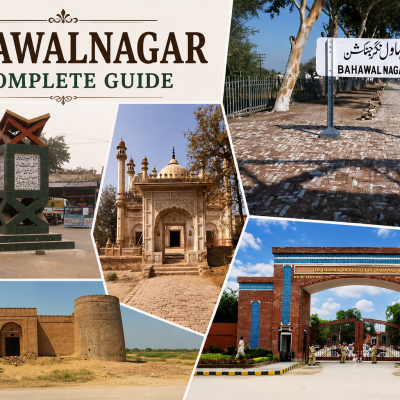
Muzaffargarh: A Complete Guide
Muzaffargarh is a fertile city cradled between two of the great rivers of the country. It rests on a narrow strip of land between the Indus and the Chenab. Its name means the Fort of Muzaffar after the Nawab who founded it. It is known as the Cotton City for its great cotton fields. Its rich alluvial soil grows some of the finest mangoes in the region. This guide covers Muzaffargarh for the curious traveller. It explains the history geography farming sights property scene and how to visit.
This guide offers a general overview. Figures for the population vary between sources.
Quick answer: Muzaffargarh is a city in southern Punjab, on the west bank of the Chenab River, between the Indus and the Chenab. It was founded in 1794 by Nawab Muzaffar Khan governor of Multan. Its name means the Fort of Muzaffar. It is a great agricultural district, known as the Cotton City, growing cotton, wheat, sugarcane and fine mangoes. It holds a major thermal power station and the scenic Taunsa Barrage. Winter is the best time to visit.
About Muzaffargarh
Muzaffargarh is a historic city in southern Punjab. It is located on the west bank of the Chenab River. It is the capital of its district in the Dera Ghazi Khan Division. It blends a fertile plain with a strong farming tradition.
The setting is a strip between two rivers. The city is located between the Indus and the Chenab. It occupies the southern apex of the Sindh Sagar Doab. This wedge of land narrows to the confluence of the rivers.
The two rivers frame the district. The Indus flows along the western side. The Chenab flows along the eastern side. The Thal Desert reaches in from the centre.
The land is flat and alluvial. The rich soil is ideal for farming. Citrus and mango orchards fill the plains. Canals carry water across the whole district.
History of Muzaffargarh
The region is ancient. It was a farming area in the age of the Indus Valley Civilisation. Its people grew wheat and cotton in those times. The land has always been fertile.
The city was founded in 1794. Nawab Muzaffar Khan governor of Multan, established it. He built a fort here between the rivers. The name means the Fort of Muzaffar.
The location was strategic. The site lay between two great rivers. This aided trade, defence and communication. It became a vital hub for the farming region.
The British developed the canals. They built an irrigation system across the district. This transformed the land into productive farmland. Fine cotton was exported to Europe and the Gulf.
The district took modern shape. It grew as an administrative and farming centre. It was organised into four tehsils. It remains a great agricultural district today.
Farming and economy in Muzaffargarh
Muzaffargarh is the Cotton City. Cotton is the great crop of the district. Wheat, sugarcane and rice grow here too. This farming is the backbone of the economy.
The fruit is famous. The alluvial plains grow fine mangoes. Dates, citrus and pomegranate also thrive. These fruits are prized across the region.
The industry follows the farm. Cotton ginning and textile spinning operate here. Flour, oil and jute mills add to the base. Paper and solvent extraction also feature.
The power station is a great asset. The Muzaffargarh Thermal Power Station is located in the district. It generates a large share of power for the country. It is a key part of the national energy supply.
Sights of Muzaffargarh
The Taunsa Barrage is a great draw. This barrage is located on the Indus near the district. Its reservoir is an excellent picnic spot. Families gather here for the river views.
The riverbanks are serene. The Chenab flows along the eastern edge. Its banks offer fine picnic spots. The river scenery is a peaceful escape.
The old forts and shrines add heritage. The ruins of old forts recall the strategic past. Centuries old shrines dot the district. These sites reflect the layered history of the region.
The mango orchards are a delight. The plains fill with mango farms in season. The harvest is a lively time. The orchards are a scenic sight in summer.
Property market in Muzaffargarh
The property market is steady. The farming wealth supports it. New housing schemes ring the city. Demand rises with the growth of the district.
The location shapes the market. Muzaffargarh is connected by road to Multan across the Chenab. The rivers and canals frame the district. This access lifts the property market.
The property choice is varied. The old city offers heritage and trade. New schemes offer modern living. The rural fringe offers agricultural land. Each suits a different buyer.
The district keeps developing. Farming and industry underpin the economy. The power station draws investment to the area. This supports the property market.
Visiting Muzaffargarh
Come in winter. The summers here are extremely hot. The winter months from November to February are the finest season. The weather is mild and pleasant then.
Visit the Taunsa Barrage. This is a great picnic spot on the Indus. The reservoir and its banks are scenic. It is a fine place for a family day out.
Enjoy the rivers. The Indus and the Chenab frame the district. Their banks offer peaceful escapes. The river scenery is a great charm.
Taste the mangoes. The orchards ripen in the summer months. The mangoes are among the finest in the region. Local markets sell the fresh harvest.
Frequently asked questions
Why is Muzaffargarh called the Cotton City? Muzaffargarh is known as the Cotton City because cotton is the great crop of its fertile district, grown across the alluvial plains between the Indus and Chenab rivers. The British exported the fine cotton of Muzaffargarh to Europe and the Gulf in considerable quantities. Cotton remains the backbone of the local economy, supported by extensive irrigation from the rivers and canals. The district also grows wheat, sugarcane and rice along with famous mangoes, dates and citrus.
Who founded Muzaffargarh? Muzaffargarh was founded in 1794 by Nawab Muzaffar Khan then governor of Multan. He built a fort on the strategic strip of land between the Indus and Chenab rivers. The name Muzaffargarh means the Fort of Muzaffar. The original settlement was built within the walls of this fort. The location between two great rivers made the city a vital agricultural and trade centre, exposed to a rich mix of cultural influences over the centuries.
Where is Muzaffargarh located? Muzaffargarh is located in southern Punjab, on the west bank of the Chenab River. It occupies a narrow strip of land between the Indus and the Chenab. It occupies the southern apex of the Sindh Sagar Doab a wedge shaped tract that narrows towards the confluence of the rivers. The district is bordered by Layyah, Jhang, Khanewal, Multan, Bahawalpur, Rahim Yar Khan, Rajanpur and Dera Ghazi Khan across the surrounding rivers.
What is grown in Muzaffargarh? Muzaffargarh is a great agricultural district with flat, fertile alluvial plains. The main crops are cotton, wheat, sugarcane and rice along with tobacco. The district is especially famous for its fruit, including some of the finest mangoes in the region as well as dates, citrus and pomegranate. Farming is supported by extensive irrigation from the Indus and Chenab rivers and a network of canals that cut across the district.
When is the best time to visit Muzaffargarh? The best time to visit Muzaffargarh is winter, from November to February, when the weather is mild and pleasant. The district has an arid climate with extremely hot summers, having recorded some of the highest temperatures in the country. Winter suits a visit to the Taunsa Barrage and a picnic along the banks of the Indus and Chenab. It is also ideal for exploring the old forts and shrines. Those who visit in summer can enjoy the famous mango harvest.
Cotton city between the rivers
Muzaffargarh is the fertile city cradled between two great rivers. It rests on the strip of land where the Indus and Chenab draw near. It grows the cotton that earned it its proud name. It ripens some of the finest mangoes in the region. It powers the country from its great thermal station. Few cities are so richly framed by water.
You may come to Muzaffargarh for the rivers farms or the mangoes. The city rewards the visit either way. You can picnic by the reservoir of the Taunsa Barrage. You can rest on the green banks of the Chenab. You can taste the finest mangoes in the summer orchards. Come in winter and explore the cotton city. Muzaffargarh is the farmland between the rivers.