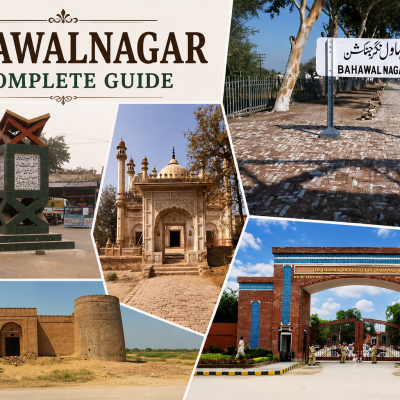
Badin and the Southern Coast of Sindh: A Complete Guide
Badin is one of the most fertile and low lying districts in Sindh. It is a land of rice fields and sugar mills. The great creeks of the Indus Delta line its southern coast. The district lies between the Thar Desert and the Arabian Sea. This deltaic district is famous for its farming and its oil and gas. Its wetlands shelter flamingos and other birds. This guide covers Badin and the southern coast for the curious traveller. It explains the history, the economy, the coast, the wildlife and how to get there.
This guide offers a general overview to help you get to know the district and its coast.
Quick answer: Badin is a district in the south east of Sindh. It lies between the Thar Desert and the Arabian Sea. It occupies the eastern part of the Indus Delta. The town was founded in 1750. It is a great farming district known for rice and sugar. Important oil and gas fields lie here too. Its coast is a land of creeks, mudflats and mangrove forests. Wetlands such as the Nurri and Jabho lagoons shelter flamingos. You can reach Badin by road and rail from Hyderabad.
About Badin
Badin is a low lying deltaic district. It lies in the south east of the province. The low and flat land of the Indus Delta covers it. The Thar Desert lies east and the Arabian Sea south. This deltaic setting is a land of fields, creeks and wetlands.
The town has a long history. Badin town was founded in 1750. It grew in the swampy deltaic land east of the Indus. It became a separate district in the 1970s. This history is part of its character. It reflects the settling of the delta.
The district is part of the Sindh coast. Badin forms part of the southern coastline of the province. Thatta and Karachi share that coast. The district occupies the eastern end of the Indus Delta. This coastal role links it to the sea and its resources.
Economy and agriculture of Badin
Badin is a great farming district. The fertile deltaic land is watered by the Indus and its canals. It ranks among the great rice growing areas in the country. This farming is the foundation of the district. It supports its mills and its markets.
The district is famous for rice and sugar. Badin is known for its rice, its sugarcane and its sunflower. Sugar mills and many rice mills process the harvest. This produce is the lifeblood of the district. It feeds the industry and the trade of the region.
Badin is a centre of oil and gas. Discoveries in the 1980s and 1990s changed the district. It has become an important producer of oil and natural gas. It contributes a large share of the output of the country. This energy is a great strength of the district. It has brought industry and revenue to the region.
Coast and the creeks of Badin
The Indus Delta forms the southern border. The southern edge of Badin holds a vast network of creeks, mudflats and channels. The great river meets the sea here. This deltaic coast is a defining feature of the district. It ranks among the great river deltas of the world.
The delta holds great mangrove forests. Mangrove forests line the creeks of the delta. They rank among the largest such forests in the world. They shelter fish, shellfish and birds. These mangroves are a vital natural treasure. They protect the coast and nurse its marine life.
The coast is home to fishing communities. The creeks and coast of Badin support many fishing communities. They harvest the rich waters of the delta. This fishing is a way of life on the coast. It reaches back many generations.
Wetlands and the wildlife in Badin
Badin is rich in wetlands. The district holds many wetlands and shallow lakes. Locals call them dhands. They are vital for wildlife. These wetlands are a haven for birds. They are a treasure of the coastal ecosystem.
The lagoons shelter flamingos. The brackish lagoons of Nurri and Jabho hold recognition as wetlands of international importance. They shelter wintering waterbirds such as the greater and lesser flamingo. These lagoons are a wonder for birdwatchers. They draw thousands of migratory birds each winter.
The delta faces environmental challenges. Sea intrusion, the loss of mangroves and reduced river flow all threaten the delta. They put its farmland and its ecosystem at risk. These challenges are a serious concern. They are the focus of much conservation effort.
Getting Badin and around
Badin is reached from Hyderabad. The district is connected to Hyderabad by road and by rail. It is the terminus of the railway line from Hyderabad. This good connectivity makes the district accessible from the cities of Sindh.
The coast rewards the adventurous traveller. The creeks, mangroves and wetlands are best explored with a local guide. A sturdy vehicle helps a great deal. These places lie away from the usual tourist trails. This wild coast is a reward for the adventurous. It offers a glimpse of the delta and its wildlife.
Frequently asked questions
Where is Badin located? Badin is located in the south east of Sindh. It occupies the low and flat land of the Indus Delta. The Thar Desert lies to the east and the Arabian Sea to the south. It forms part of the southern coastline of the province alongside Thatta and Karachi. The district is connected to Hyderabad by road and by rail. It is the terminus of the railway line from Hyderabad.
What is Badin famous for? Badin is famous as a great farming district. It is known for its rice, sugarcane and sunflower. Its sugar and rice mills process the harvest. It is also an important producer of oil and natural gas. Its coast is known for the creeks and mangroves of the Indus Delta. Wetlands such as the Nurri and Jabho lagoons shelter flamingos and other wintering birds.
What is the Indus Delta at Badin like? The Indus Delta at Badin is a vast network of creeks, mudflats and channels. The great river meets the Arabian Sea here. Mangrove forests line its creeks. They rank among the largest in the world. They shelter fish, shellfish and birds. They support many fishing communities too. The delta is a rich but fragile ecosystem. Sea intrusion, the loss of mangroves and reduced river flow all threaten it.
Can you see flamingos in Badin? Badin is one of the finest places to see flamingos on the coast of Sindh. The brackish lagoons of Nurri and Jabho hold recognition as wetlands of international importance. They shelter wintering waterbirds including the greater and lesser flamingo. Thousands of migratory birds visit these lagoons each winter. This makes them a wonderful destination for birdwatchers. Visit in the cooler winter months with a local guide.
What challenges does the coast of Badin face? The coast and delta of Badin face serious environmental challenges. Sea intrusion is the greatest of them. The Arabian Sea pushes inland and turns farmland salty. The loss of mangrove forests adds to the pressure. Dams upriver have reduced the flow of the Indus too. These challenges threaten the farmland, the fishing and the ecosystem. They are the focus of much conservation effort.
Delta coast of Sindh
Badin is a fertile and fascinating district on the southern coast of Sindh. It is a land of rice fields and sugar mills. The great creeks of the Indus Delta line its coast. The district offers farming, oil and gas fields, mangroves and fishing communities. The flamingo lagoons of its coast add to the appeal. It gives a rare glimpse of the delta where the great river meets the sea. Its farming, its energy and its rich wildlife make it an important corner of the province.
You may come to Badin for its fertile fields, the creeks and mangroves or the flamingos. This deltaic district of southern Sindh has much to offer either way. You can explore the rice fields and sugar mills. You can venture out to the creeks and mangroves of the coast. You can watch the flamingos gather at the winter lagoons. You can reach Badin by road and rail from Hyderabad. It is a wild and fertile corner where the land, the river and the sea meet.